8 Bedroom Interior Design Mistakes To Avoid When Designing Your Haven
Who doesn’t love their bedroom? It’s dedicated to sleep, and who doesn’t like sleep?
We use our bedrooms for other uses, such as getting dressed, and some of us may have a little workspace set up, too. But sleeping is what we tend to do most when it comes to the bedroom. And we want our bedrooms to be designed so we can enjoy our space to the best we can.
Sometimes it can be difficult knowing how to go about designing your bedroom space. Here are some bedroom interior tips to get your bedroom on track to a room you love.
Bedroom Interior Mistakes
1. Bed Size
The bed is, of course, the focal point and the whole purpose of any bedroom. To sleep, to rest well and fully. But that doesn’t mean the bed has to take up the whole of the room.
There are lots of other factors involved in getting a good sleep, other than just having a big bed. The type of mattress and type of bed linens are a couple of the main ones.
When it comes to size and proportions, the same applies to the headboard sizes as well. Does it look in proportion and scale to the rest of the bedroom interior? Or does it fill too much or too little space?
So getting the bed size right is the most important starting point. If necessary, use painter’s tape on the floor to map out how much space you’ll have to walk around. It will save you headaches in the long run.
2. Furniture
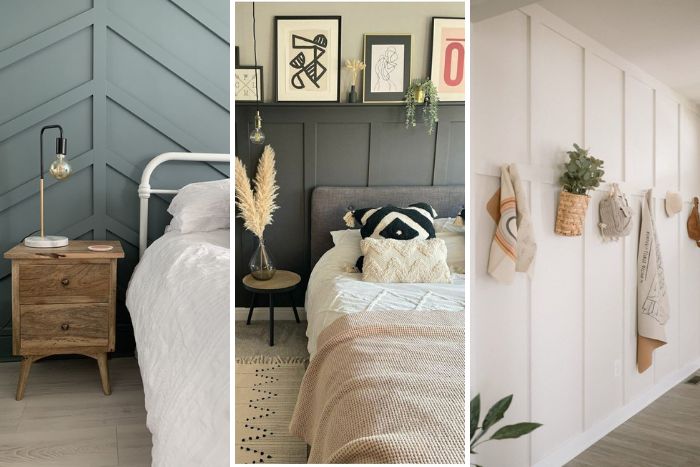
When you have the right size for your bed, you will then be able to choose the right size for your nightstands. The average size nightstand is 20″ x 20″ (50cm x 50cm). Take the height of your mattress and add 3″ (7.5cm) higher or lower than your mattress. It depends on what’s more comfortable for you when reaching from the bed.
When choosing your nightstands, think about how you use your bedroom and what style is suitable for the space. If you need more storage, a nightstand with all drawers might be a priority for you.
As long as the scale of the nightstands matches up with the bedroom and they’re at a comfortable height for you, when reaching from the bed, that’s the main thing.
3. Declutter
Even if you have the tiniest bedroom, you still need to stay organized and clutter-free. Perhaps even more so! Having the right furniture for your storage solutions for all your needs and essentials is going to make a huge difference in how the space feels to you.
If storage is the main priority, then choosing a bed with drawers will be a good option. This is a great option if you’re lacking in closet space.
If you have a smaller room but prefer to have a bed frame that’s off the floor, you can keep storage boxes underneath or keep the underneath totally clear. Streamline down to your essentials and find a more suitable place for other items in another part of your home rather than pushing everything under your bed.
Either way, a neat and tidy bedroom is always an essential design rule of thumb.
4. Lighting
Lighting for your bedroom should be soft, warm, and layered.
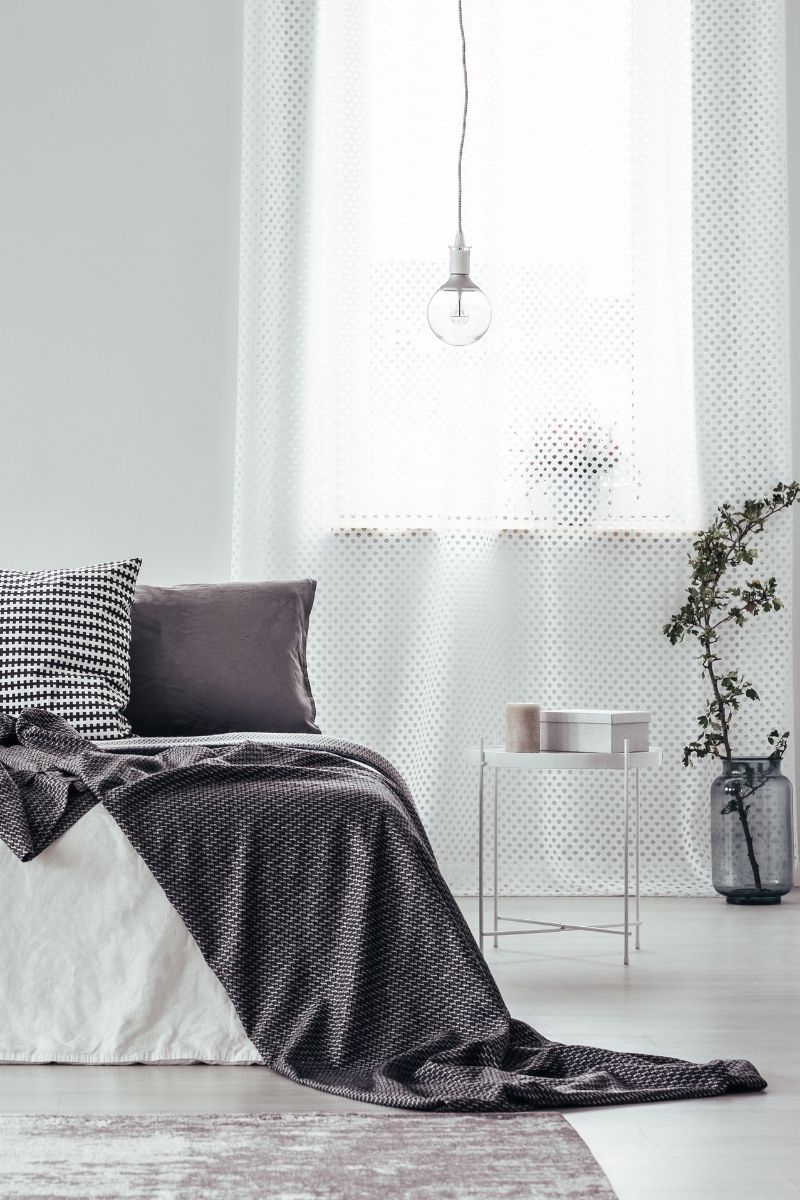
Using shades will soften the lighting in the bedroom; bare bulbs can be too harsh on the eyes, especially before going to sleep. Lamps for the nightstands or a floor lamp are great for layered bedroom lighting. This is just practical as well, instead of having to get in and out of bed to turn off the lights.
Good bedroom lighting should have a main ceiling light and task lighting near the bed. Task lighting can be pendants, sconces, or table lamps on the nightstands. For bedside lamps, the general rule of thumb is around a third of the nightstand surface.
With a smaller bedroom size, it’s a good idea to use wall sconces or pendants to maximize the space.
5. Rug Size
After you get the right size bed, you’ll need the right size rug. Having a rug for the bedroom is optional, but here are some tips to keep in mind.
A common mistake is that the rug under the bed is too small. Ideally, you want to be able to walk around the three sides of the bed with about 18″-24″ of rug extending out from under the bed. This is so you have plenty of walking space around the bed without feeling like you’re walking on a tight rope around the bed.
The size of the area rug is a big factor in the proportion and scale of the room, too. Remember that carpet for the bedroom is a good option and will probably work out less expensive than a rug. You can still layer a rug over the carpet to ground the bed area if you’d like to.
6. Dressing the Windows
Hanging your curtains at the right height above your windows is a good interior design rule to start with. Always hand your rod higher to the ceiling if possible, rather than just above the window frame.
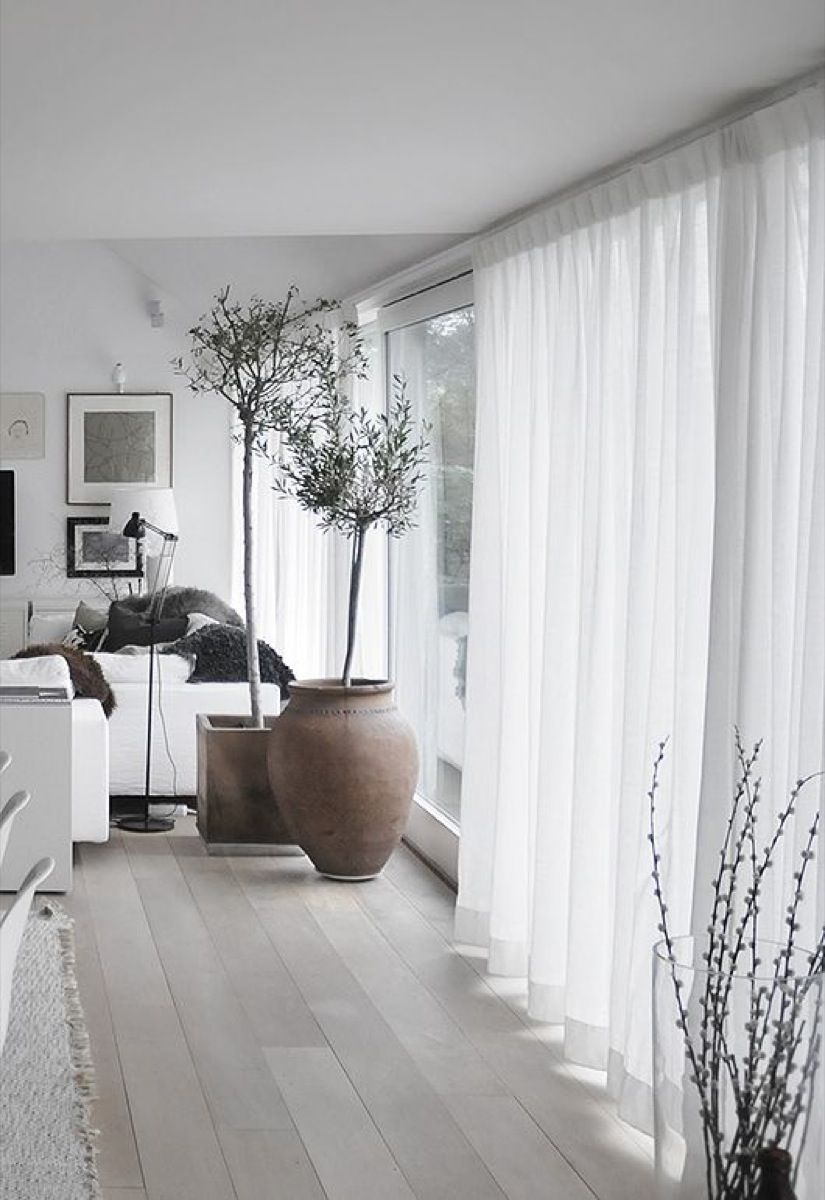
For the bedroom, the kind of material used and the type are probably more important, as it depends on what kind of sleeper you are. Are blackout blinds or curtains the best option for you? Or translucent sheer curtains for privacy at night, but allow the sunlight to come through in the mornings?
Are you an early worm or a night owl? That’s the ultimate question. That will give you your answer. You can always layer your windows. For example, pairing blinds with curtains.
7. Your Bedroom Colour
Your bedroom colour plays a huge part in how your bedroom feels. The colour you choose also reflects your personality. But choosing a colour you like that also suits the space is key. How big is your bedroom interior? The amount of natural light that the bedroom gets is important, too.
Putting all those factors together to come up with a colour that works for you and the bedroom might take more than a few paint swatches!
Light colours tend to enhance and enlarge the space by bouncing light off the walls. Making the space feel fresh and bright. Bright colours are better used as accents in soft furnishings in the bedroom in cushions and bed linens.
Painting your bedroom a dark colour can also make the room seem bigger than it is. Tricking the eye by receding the walls and blurring the wall edges.
Are you someone who likes a darker colour in the bedroom, even if it’s on the smaller side? Giving you a feeling of coziness and comfort? Or are you a morning person who prefers an early wake-up call with a fresh and calming colour to start off your days?
8. Assessing Your Space
Of course, there are ideal design rules for the bedroom interior. But we all know that bedrooms don’t often come in ideal large sizes.
Even though a bed is better situated in the centre of the bedroom, there are rooms where you won’t be able to do that. Many times, the only place for the bed to go is to have one long side against a wall. If that’s the case, then that’s all you can do. You have to work around that and make the most of what you have.
Any size bedroom can be made into your personal haven by following the tips in this post. Have fun designing, styling, and arranging. Want the perfect bedroom but need a plan? Get a customized e-design for your bedroom.
Chloe
- Ultimate Bar Cart Styling Guide: What Every Bar Cart Needs
- 40 Cute Christmas Cushions To Get Into The Festive Spirit
- 31 Creative Craft Room Office Ideas
- 10 Great Tips: How To Make A Bed Look Luxurious Styling Guide
- 39 Amazing Gallery Wall Ideas: Styling Your Home